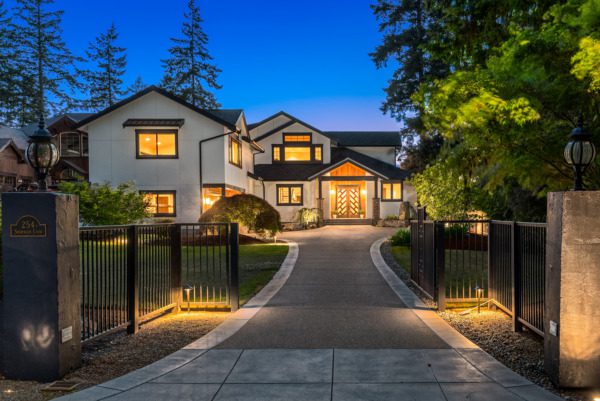
Selling luxury real estate demands a specialized approach; one defined by elevated marketing, deep market expertise, lifestyle-driven branding, a white-glove buying experience, and absolute discretion. Because your agent shapes every aspect of this process, choosing the right one makes all the difference. Here are the questions we recommend you ask when selecting a luxury real estate agent in Gig Harbor.
-
Do they have experience selling luxury homes?
Just ask them for their luxury home resume. A top agent will confidently (and enthusiastically) share a list of the high-end homes they’ve sold recently. After a quick review of these sales, it will become clear if they have sold some of the top-tier properties in your market.
-
Is their real estate marketing truly elevated?
Okay, now that you have reviewed the list of luxury homes they’ve sold, pick one and dive in to take a closer look. Ask for the photography, videography, staging plan, online ads; basically, the whole marketing plan they created and the results they achieved. Seeing real-life examples is the best way to judge whether an agent can genuinely deliver on their promise to market your home better than anyone else.

-
Are they an expert negotiator?
This can be a bit tricky to tease out, but here’s how we’d approach it if we were the seller: Ask the agent for three examples of challenging contractual situations they’ve faced and how they handled them. If they can’t quickly share quality examples and explain the solutions and the reasoning behind them, then you’re probably talking to the wrong agent. For example, let’s say you’re selling a $4.5M home, and after the buyer inspects the property, they ask for a $500K price reduction to continue with the transaction. How would you, as the agent, handle that? How would you protect your seller’s interest and maximize the sale price?
-
What current trends are you seeing among high-net-worth buyers in this area?
Similar to the question above about the luxury transaction experience, this question will reveal whether the agent is truly in touch with the luxury market. A true luxury agent should be living it every day. For example, these agents should know how many luxury buyers are currently active in the market for this type of home, giving you insight into how many tour requests you can expect in the first week and first month the house is on the market. They should be able to explain the key priorities and expectations of buyers, specifically which details may give buyers pause and which features will stand out as the home’s greatest strengths. Additionally, they should be able to outline how luxury buyers typically structure offer terms and how negotiations are likely to unfold throughout the transaction.
As a seller, you should know that the luxury buyer crowd is discerning, has high standards, and is not in a rush to buy. They often already live in a fantastic home and have been waiting casually for the perfect home to hit the market. That’s why it’s critical to choose an agent who can prepare and market the home expertly and has the polish to present it in person, articulating all its features and nuanced details.

-
Describe your process for arriving at the home’s recommended list price?
Show me the data. A luxury agent will lead with relevant market data to create a clear framework around the recommended list price. While high-end listings are unique and often have few direct comparables, a savvy agent can still analyze the most similar properties and adjust the value for features, location, and other variables to explain how the list price was determined. If the agent’s pricing strategy is not grounded in data and transaction experience, it’s a strong indicator that you’re speaking with the wrong professional.

-
What processes do they use to vet out potential buyers?
This is critical, as some high-end listings can attract agents who want to tour the property for fun (and post it on social media), as well as consumers who simply want to snoop around an estate they would not usually have access to. That’s why requiring proof of funds before allowing a showing is essential. Proof of funds is typically provided in the form of a bank statement, a pre-approval letter, or a letter from a wealth manager confirming the buyer’s financial capacity to close on the home. If a prospective buyer is unwilling to provide proof of funds, it’s a clear sign they are not serious. Top agents will always require proof of funds and will also thoroughly vet the buyer’s agent requesting the showing.
-
What would you expect from me as a client to ensure the best outcome?
This is a key question. Selling a home is a partnership between the agent and the seller. The seller, or the seller’s representatives, such as a house manager, needs to be involved in the process to achieve record-setting results. Asking this question should produce a clear blueprint, such as a checklist outlining where the agent will need the seller’s support to execute the plan effectively.
-
If my property hasn’t sold in 90 days, what changes would you recommend?
This is an important one: you should always have a game plan if the house doesn’t sell within the predefined timeframe. Plan for the best outcome, but prepare for the worst. If a price reduction, marketing refresh, or other adjustments are needed, those steps should be discussed in advance. Think of it as a plan B that you’ve already aligned on in event plan A doesn’t work out. A professional agent will lay this out in advance.
-
If this were your own property, what would you do differently than most agents?
We encourage you to ask us these questions directly; we aren’t going to give away our secrets there! 🙂 Reach out to learn more.


Leave A Comment