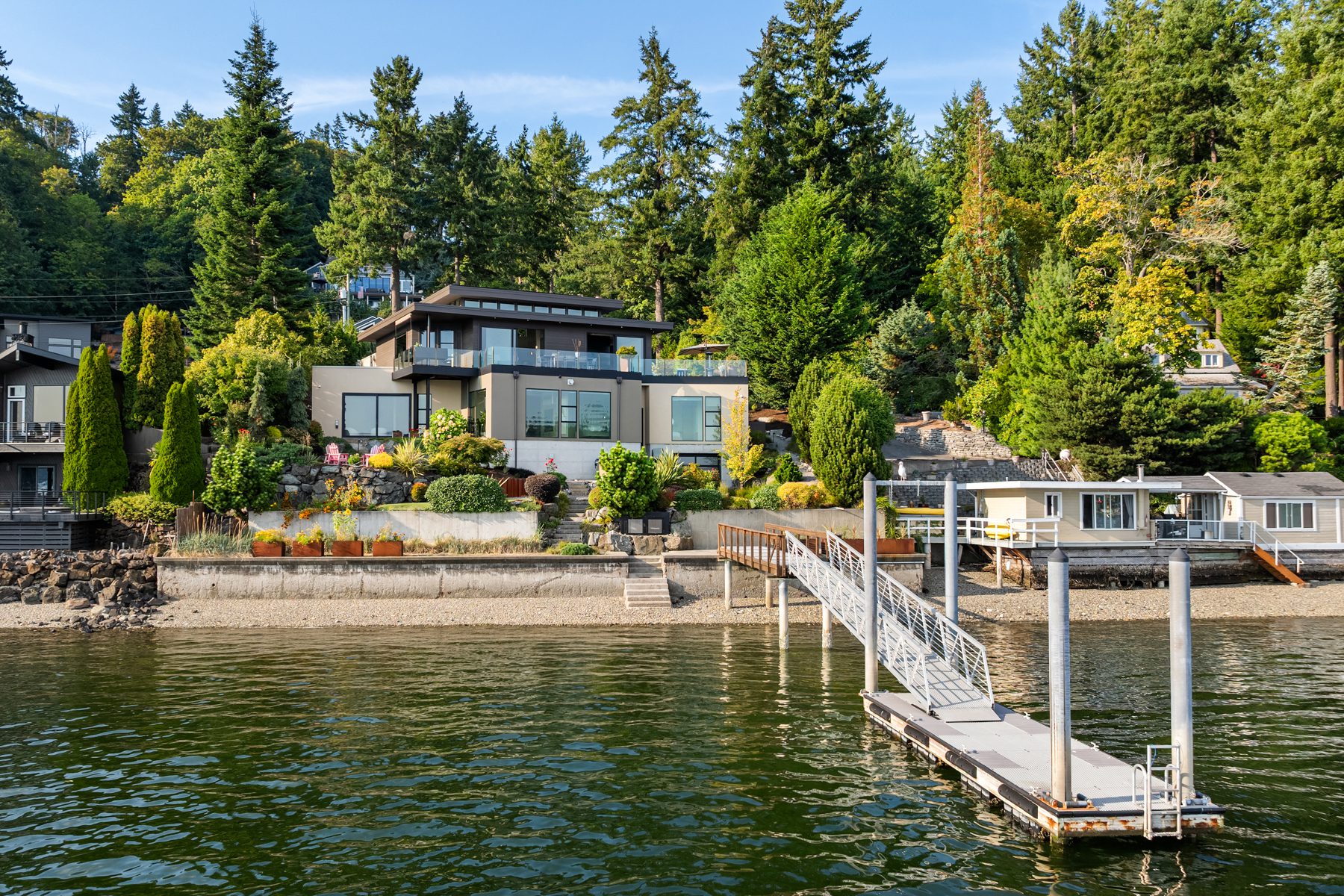
How to Buy a Waterfront Home in Gig Harbor: What Every Buyer Needs to Know
Few places capture the beauty of the Pacific Northwest quite like Gig Harbor. Imagine starting your morning spotting a pod of orcas, spending the afternoon watching sailboats drift by, and ending the day with a vibrant sunset over the water. That’s the unique lifestyle that comes with owning a waterfront home in our lovely town.
Whether you’re searching for a luxury estate on Wollochet Bay, a peaceful retreat on Henderson Bay, or a beachfront home overlooking Colvos Passage, buying a waterfront home in Gig Harbor requires careful planning and local expertise.
Unlike traditional homes, waterfront properties come with unique considerations that can significantly impact both your enjoyment of the home and its long-term value. Before you purchase, here’s what every buyer should know.
Consider the Type of Waterfront: High Bank vs. Low Bank
One of the first decisions you’ll make is whether a high-bank or low-bank waterfront property best fits your lifestyle.
High-Bank Waterfront
High-bank homes are perched above the shoreline, often offering sweeping panoramic views of Colvos Passage, Hale Passage, Mount Rainier, or the Olympic Mountains. These homes typically provide more privacy and space while maximizing the scenery.
However, waterfront access, if any, may require stairs, a trail, or even a tram depending on the property’s elevation. Maintenance of slopes and bluff stability can also become an important part of ownership.
Low-Bank Waterfront
Low-bank properties offer easy access to the beach, making them ideal for kayaking, paddleboarding, boating, beachcombing, or simply walking along the shoreline.
Because these homes sit closer to the water, buyers should carefully evaluate shoreline protection, drainage, and long-term maintenance needs.
The right choice depends on your lifestyle. If you plan to spend time on the water every weekend, low-bank access may be invaluable. If breathtaking views are your priority, a high-bank property may be the better fit.
Consider Which Direction the Home Faces
Many buyers focus on the view but overlook one important factor: the home’s orientation.
East-Facing Waterfront Homes
East-facing homes offer beautiful sunrises and cooler afternoons, making outdoor spaces comfortable throughout much of the day. In Gig Harbor, that means you’ll get views of Mt. Rainier, Colvos Passage, Vashon Island, Pt. Defiance Park.
West-Facing Waterfront Homes
West-facing homes are highly sought after in Gig Harbor because they capture stunning sunsets over Puget Sound. These homes are ideal for entertaining, although afternoon sun can make decks and patios warmer during the summer. Think views of Fox Island and the Olympic Mountains.
South-Facing Waterfront Homes
South-facing properties receive the most consistent sunlight throughout the year, creating bright interiors and enjoyable outdoor living spaces even during the Pacific Northwest’s cooler months. These properties look towards Tacoma, University Place, Chambers Bay etc.
North-Facing Waterfront Homes
Technically we don’t have many North-facing homes in Gig Harbor, if anything they are North-west facing. Similar to West Facing they gave have create sunsets in the summer months.
Before making an offer, visit the property at different times of day to experience how sunlight affects both the views and outdoor living areas.
Is the Beach Private or Shared?
Waterfront doesn’t always mean exclusive beach access. In fact roughly 30% of beaches in the area are shared, not private.
Some properties include privately owned shoreline, while others share beach access with neighboring homes or homeowners associations.
Before purchasing, determine:
- Who owns the beach?
- Are there recorded easements?
- Are there restrictions on beach use?
- Can you launch kayaks or paddleboards?
- Are bonfires or overnight moorage allowed?
Private beach ownership often increases property value and provides greater flexibility, but it also comes with additional maintenance responsibilities.
Understanding your shoreline rights before closing helps avoid surprises after you move in.
Does the Property Have a Dock?
For many waterfront buyers, having a private dock is a major advantage.
A dock can provide:
- Boat moorage
- Kayak and paddleboard access
- Fishing opportunities
- Increased property appeal
- Stronger resale value
However, not every waterfront property qualifies for a dock.
Ask questions such as:
- Is the dock legally permitted?
- How old is it?
- Has it been maintained?
- Can it accommodate your boat?
- Are there restrictions on repairs or expansion?
Permitting new docks in Pierce County has become increasingly difficult due to environmental regulations, making existing permitted docks especially valuable.
A permitted, existing dock is one of the most valuable features a waterfront property can offer. Constructing a new dock today can easily exceed $500,000 once you factor in engineering, environmental studies, permitting, materials, and construction costs. In addition to the expense, Washington’s shoreline regulations often limit the size and length of new docks, meaning they may not match the functionality of older, grandfathered structures. Because of the significant cost, lengthy approval process, and regulatory restrictions, waterfront homes with an existing permitted dock often command a premium—sometimes $1 million or more, depending on the location and the quality of the moorage.
Evaluate the Condition of the Bulkhead
The bulkhead is one of the most important and overlooked features of a waterfront property.
Its primary purpose is to help stabilize the shoreline and reduce erosion caused by tides, waves, and weather.
During your inspection, evaluate:
- Age of the bulkhead
- Signs of movement or leaning
- Cracks or deterioration
- Evidence of erosion behind the wall
- Drainage performance
Replacing a bulkhead can be a significant investment, so understanding its condition before purchasing is essential. The permitting process can take two to four years, and replacement costs can range from $100,000 to $600,000 or more, depending on the length of the shoreline.
If the property doesn’t have a bulkhead, ask whether one is needed and whether shoreline stabilization has been recommended by experts.
Understand the Property’s Septic System
Many waterfront homes in Gig Harbor rely on private septic systems rather than municipal sewer service.
Before purchasing, ask:
- When was the septic system installed?
- Has it been regularly inspected?
- What size is the tank?
- Is the system approved for the home’s current number of bedrooms?
- Are maintenance records available?
Because septic repairs or replacement can be expensive, it’s wise to have the system professionally inspected before closing.
A properly functioning septic system protects both your investment and the surrounding marine environment.
Also consider that many of these systems are grandfathered and would not meet today’s code in terms of their location near the water and the equipment being used. This makes it especially important to maintain what you have in place to avoid an expensive replacement.
Invest in Specialized Waterfront Inspections
Waterfront homes require inspections beyond a standard home inspection.
Depending on the property, consider hiring specialists for:
- Geotechnical evaluations for slope stability and erosion
- Bulkhead inspections
- Dock inspections
- Septic inspections
- Well testing (if applicable)
- Moisture and drainage assessments
A geotechnical engineer can identify bluff movement, unstable soils, drainage concerns, or erosion that may not be visible during a typical home inspection.
These specialized inspections provide valuable peace of mind and may uncover issues before they become costly repairs.
Budget for Higher Maintenance Costs
Owning a waterfront home means planning for ongoing maintenance.
Exposure to moisture, salt air, wind, and changing weather conditions can accelerate wear on building materials.
Budget for maintenance such as:
- Exterior painting or staining
- Window and door maintenance
- Roofing
- Deck repairs
- Dock maintenance
- Bulkhead repairs
- Landscaping and drainage improvements
Routine maintenance helps preserve both your home’s beauty and its long-term value.
Think About Long-Term Resale Value
Even if you plan to stay for decades, it’s smart to consider resale value when buying waterfront property.
Features that consistently attract buyers include:
- Low-bank waterfront access
- Private beach ownership
- Existing permitted dock
- Well-maintained bulkhead
- Panoramic water views
- Sunny outdoor living spaces
- Updated home systems
- Easy year-round access
Waterfront homes are among the most desirable properties in Gig Harbor, but the homes that retain value best are those that have been well maintained and thoughtfully improved.
Work with a Local Waterfront Expert
Buying a waterfront home is very different from purchasing a traditional home. Shoreline regulations, septic systems, docks, geotechnical concerns, and waterfront rights all require specialized knowledge.
Working with a local real estate professional who understands Gig Harbor’s waterfront communities can help you identify opportunities, avoid costly surprises, and confidently navigate the buying process.
At The Dwell Home Team, we’ve helped buyers successfully purchase waterfront homes throughout Gig Harbor and the surrounding communities. We understand the unique characteristics of waterfront properties and can help you find the right home that fits your lifestyle, goals, and budget.
If you’re considering buying a waterfront home in Gig Harbor, we’d be happy to help you explore your options and guide you through every step of the process.
